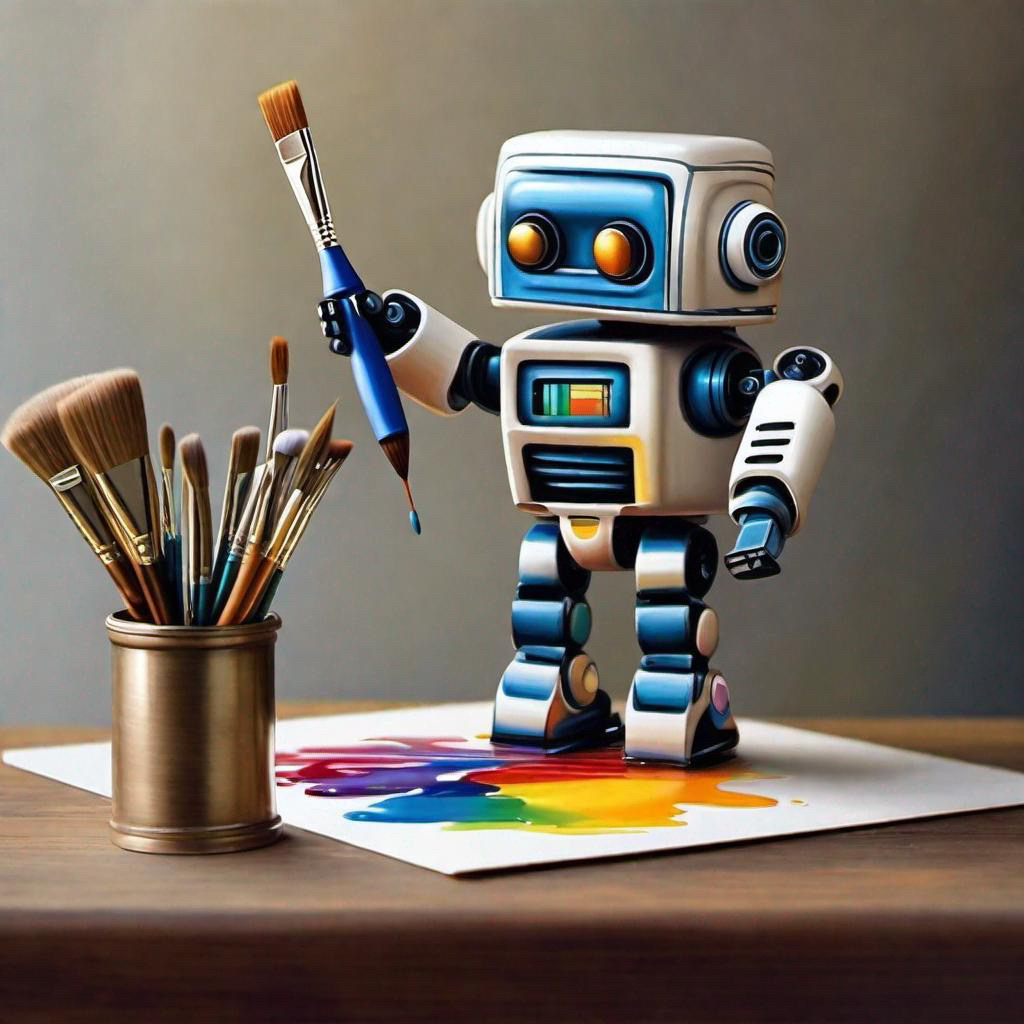

The Intersection of Art and AI: Embracing the Future
The era of artificial intelligence (AI) is well underway, and its impact on various industries is undeniable. As an artist, I initially approached AI with skepticism, fearing that it would take away jobs, create art from nothing, and become the new creator. But as I delved deeper into the world of AI art and witnessed its potential, my perspective began to shift.
AI's foray into the realm of art is a fascinating development. While it may feel peculiar to see words transformed into images without any visual input, the platforms I've encountered allow human users to upload photos as a reference for the AI. If AI can reach a level of sophistication where it functions as a commissioned artist, capable of precise adjustments based on rough sketches and requests like, "Switch the right hand for a tentacle holding candy floss," then it opens up exciting possibilities. This technology enables individuals who may not consider themselves artists but have vivid visual ideas to bring them to life with the assistance of AI. However, it is crucial to ensure that this does not diminish or overshadow the work of traditional and digital artists who offer commissions and value the practice and process of creating art. Hence, I assert that integrating artistic visual input into AI is essential.
AI can then be delegated to more routine tasks, like generating images for this blog when time is limited.
However, for more significant artistic endeavours, if feasible, engaging an artist holds the potential to infuse a human touch. The blemishes and imperfections are precisely what bestow a human connection upon artworks, such as mine. AI takes moments, to produce the same quality would take me three days and that is scary!
AI's influence extends beyond visual art and into the realm of language. As an artist interested in writing, I was initially hesitant about the role of AI in generating words. However, my experience with Chat GPT, an AI language model, has been more of a collaborative effort. It serves as a helpful grammar assistant, making only minimal changes to my writing. I still dedicate an hour or two to typing up the words, but I no longer spend weeks grappling with editing and enduring stress headaches. If AI can assume the jobs we dislike or perform tasks that no human should be burdened with, it can be a welcome development.
But what about the potential impact on employment? Will AI inevitably replace human workers? It is a possibility worth considering. If AI can alleviate us from mundane and unpleasant jobs, that could be a positive outcome. Furthermore, if AI can power the world without becoming a malevolent force like Skynet from science fiction, it could pave the way for a future where we have more time to pursue our passions and interests. Imagine a world where doctors, bin men, and the like are replaced by robot counterparts, automated and error-free. However, this hypothetical future relies on fail-safes and careful implementation to ensure the safety and well-being of society.
The portrayal of AI in films often warns of the dangers of its unchecked development. Could these cautionary tales hold some truth? Is it mere science fiction, or are we truly on the brink of doom? Will AI hack our accounts, steal our identities, or create AI art that sells for astronomical prices, leaving the majority impoverished? Will AI-controlled fridges malfunction on purpose and spoil our milk? These uncertainties loom in the minds of many, emphasising the need for responsible and ethical implementation of AI technologies.
As artists, we have always embraced tools that enhance our creative process. Photography was the end of art during its era. I view AI as just another tool in my artistic arsenal. It helps me breathe life into my creative vision and explore new possibilities without replacing the fundamental aspects of writing or painting that I love. AI serves as a collaborator, augmenting my creativity rather than replacing it. By using AI as a tool, I have found that my artistic vision expands, and I am able to overcome creative hurdles that once seemed insurmountable.
Furthermore, as AI continues to evolve, new job opportunities may arise in the maintenance and oversight of these technologies. Ensuring the safety, ethics, and functionality of AI systems will be crucial, and skilled professionals will be needed to navigate this landscape.
The future of our world with AI remains uncertain. However, by embracing AI as a tool rather than fearing it as a replacement, we can harness its potential to enrich and expand our creative endeavours. The key lies in responsible implementation and a commitment to preserving the integrity and authenticity of artistic expression. As artists, we have the opportunity to shape the relationship between art and AI, exploring its possibilities while safeguarding the essence of our craft. So, let us welcome the future, navigating the ever-evolving intersection of art and AI with curiosity, adaptability, and a commitment to maintaining the profound human connection that lies at the heart of creative expression.
Recent Posts
- When did social media stop being social? December 13, 2023
- Embracing a New Chapter: My Artistic Journey, A Change of Heart, and the Call of the Outside World” October 1, 2023
- How I use Chat GPT to write my blogs September 17, 2023
- Taking art too seriously September 10, 2023
- The Intersection of Art and AI: Embracing the Future August 27, 2023
Recent Comments
Categories